
Source: Al Jazeera Net
A draft guideline from the World Health Organization has emerged, indicating it will recommend the use of weight-loss medications for treating obesity in adults and urge countries to take the issue of obesity seriously as a chronic disease.
A WHO expert committee concluded that popular GLP-1 drugs, which are medications based on mimicking glucagon-like peptide-1 hormone and were first developed by Novo Nordisk and Eli Lilly, are part of the solution for treating obesity in patients with a Body Mass Index (BMI) of 30 or higher, alongside lifestyle and behavioral counseling.
Reuters first reported in May that the WHO was likely to take this step.
In the draft guidelines, published online and open for consultation until September 27, the WHO stated that addressing obesity is often shaped by outdated views that portray it as a lifestyle problem.
Instead, the organization said that obesity is a “chronic, progressive, and relapsing disease” affecting over a billion people worldwide in both high- and low-income countries and contributing to millions of preventable deaths.
The organization recommended the use of these drugs for treating obesity for the first time, describing it as a significant step towards developing a global standard of care. The organization is currently developing separate guidelines for treating children and adolescents.
The WHO guidelines apply only to those with a BMI above 30, but in some high-income countries, such as the United States, these drugs are also recommended for those with a BMI between 27 and 30 who suffer from at least one weight-related medical condition.
Earlier this month, the WHO did not go so far as to add these drugs for obesity treatment to its essential medicines list, a separate list that includes medicines that should be available in all functioning healthcare systems.
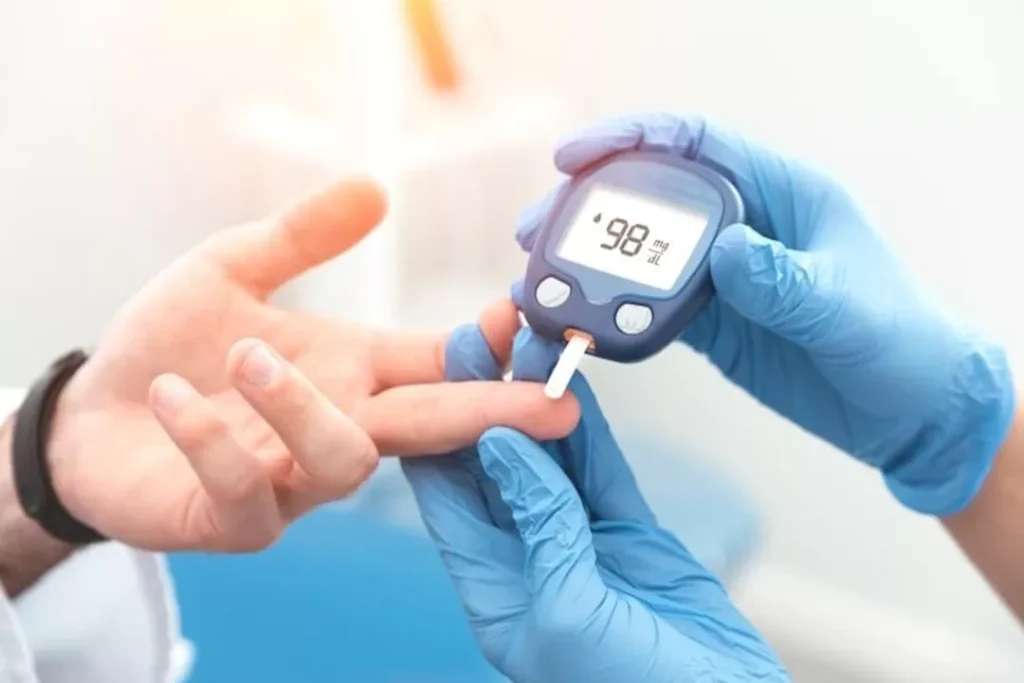
However, it has already added them for patients with type 2 diabetes, the disease for which companies originally developed these drugs, if combined with another health condition.
The organization added that this indicates which patients will benefit most from these expensive treatments, noting that high prices limit access to medicines in low- and middle-income countries.